Speed is still essential. It's just no longer enough.
A few years ago, the conversation around quick service restaurants was almost entirely about speed. How quickly could customers order? How fast could restaurants prepare meals? How short could queues become?
Those questions still matter. Nobody wants to wait longer than they have to.
What's changed is that speed has become an expectation rather than a differentiator. Once every major can serve customers quickly, people start paying attention to everything else.
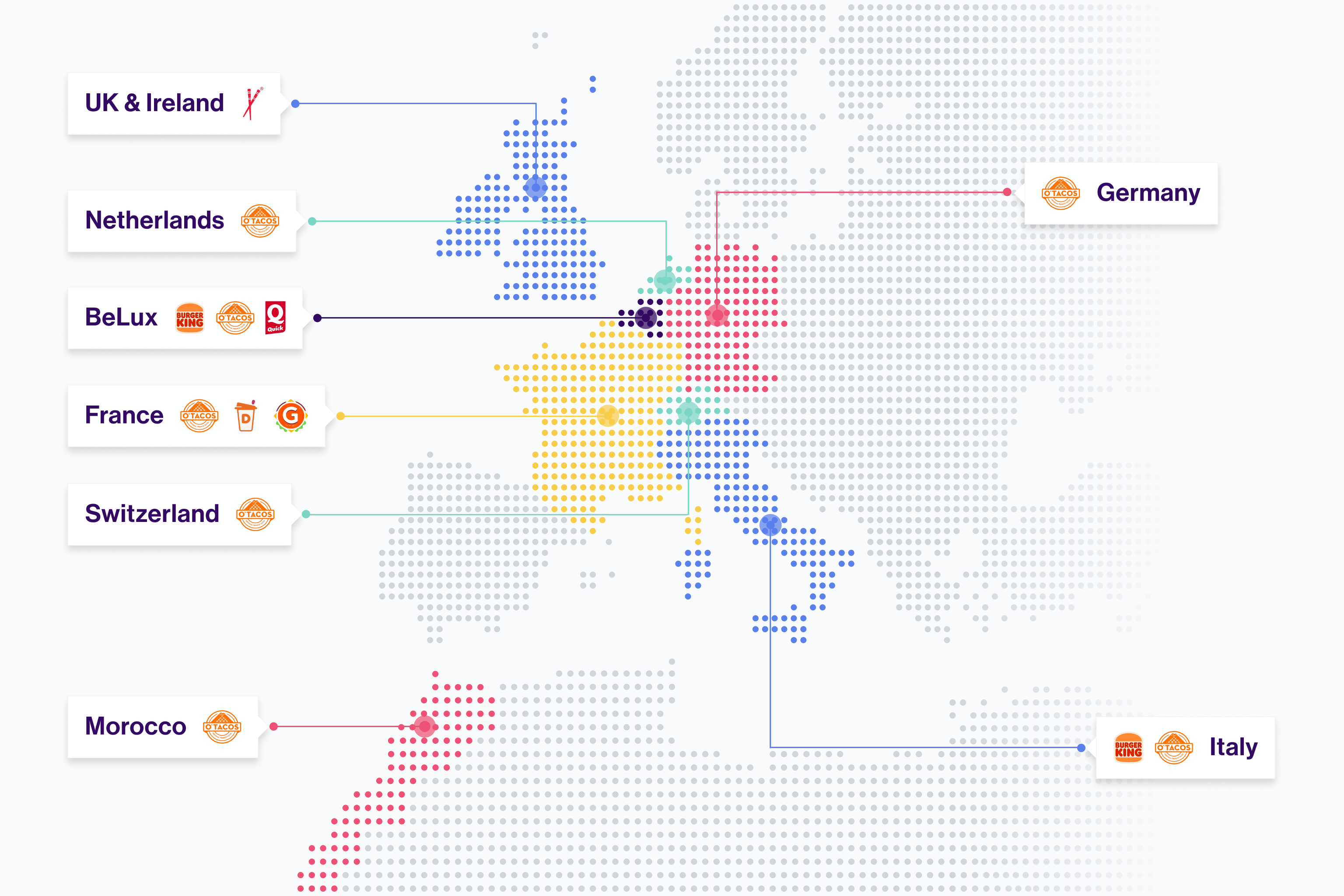
Working across six brands and nine countries, we've seen just how quickly those expectations are evolving. Customers still value convenience, but they're judging it differently than they did even five years ago.
Think about the last time you ordered food. You probably didn't choose one restaurant because it was going to serve your meal 30 seconds faster than another.
Maybe you already had the app on your phone. Maybe you knew there was an offer waiting for you. Maybe you simply trusted that the experience would be straightforward because you'd been there before.
Those small moments matter more than they're often given credit for.
Today, convenience is just as much about confidence as it is about speed. Customers want to know that ordering will be simple, payment will be easy and the experience will be consistent, whether they're grabbing breakfast before work or ordering dinner on a Friday evening.
The restaurant industry talks a lot about technology, and for good reason. Mobile ordering, digital loyalty programmes and AI are changing the way restaurants operate.
But customers rarely visit a restaurant because it has the latest technology.
They visit because everything works.
The best digital experiences are often the ones people barely notice. An app remembers your favourite order. A reward appears at the right time. Ordering takes a little less effort than it did last time. None of those moments feel revolutionary on their own, but together they make people far more likely to return.
Behind the scenes, technology plays an equally important role by helping restaurant teams spend less time dealing with processes and more time focusing on guests.
One of the advantages of operating across multiple European markets is seeing both the differences and the similarities.
Customers in Milan don't behave exactly like customers in London, and campaigns that resonate in France won't always translate directly to Belgium. Local relevance still matters, whether that's menu innovation, marketing or the way brands communicate.
At the same time, the expectations people have of restaurant brands are becoming increasingly consistent. They expect ordering to be intuitive. They expect value. They expect brands to recognise them when they come back. Most of all, they expect every interaction to feel effortless.
Meeting those expectations while staying true to each brand is becoming one of the most interesting challenges in the quick service restaurant industry.
The future of quick service restaurants won't be defined by who can shave another few seconds off service times.
Instead, it'll be shaped by the brands that understand why customers choose them in the first place.
Speed will always be part of the equation, but it isn't the whole story anymore. The restaurants that continue to grow will be the ones that combine convenience with consistency, keep evolving with changing customer expectations and make every visit feel just that little bit easier than the last.
Because once speed becomes expected, experience is what people remember.