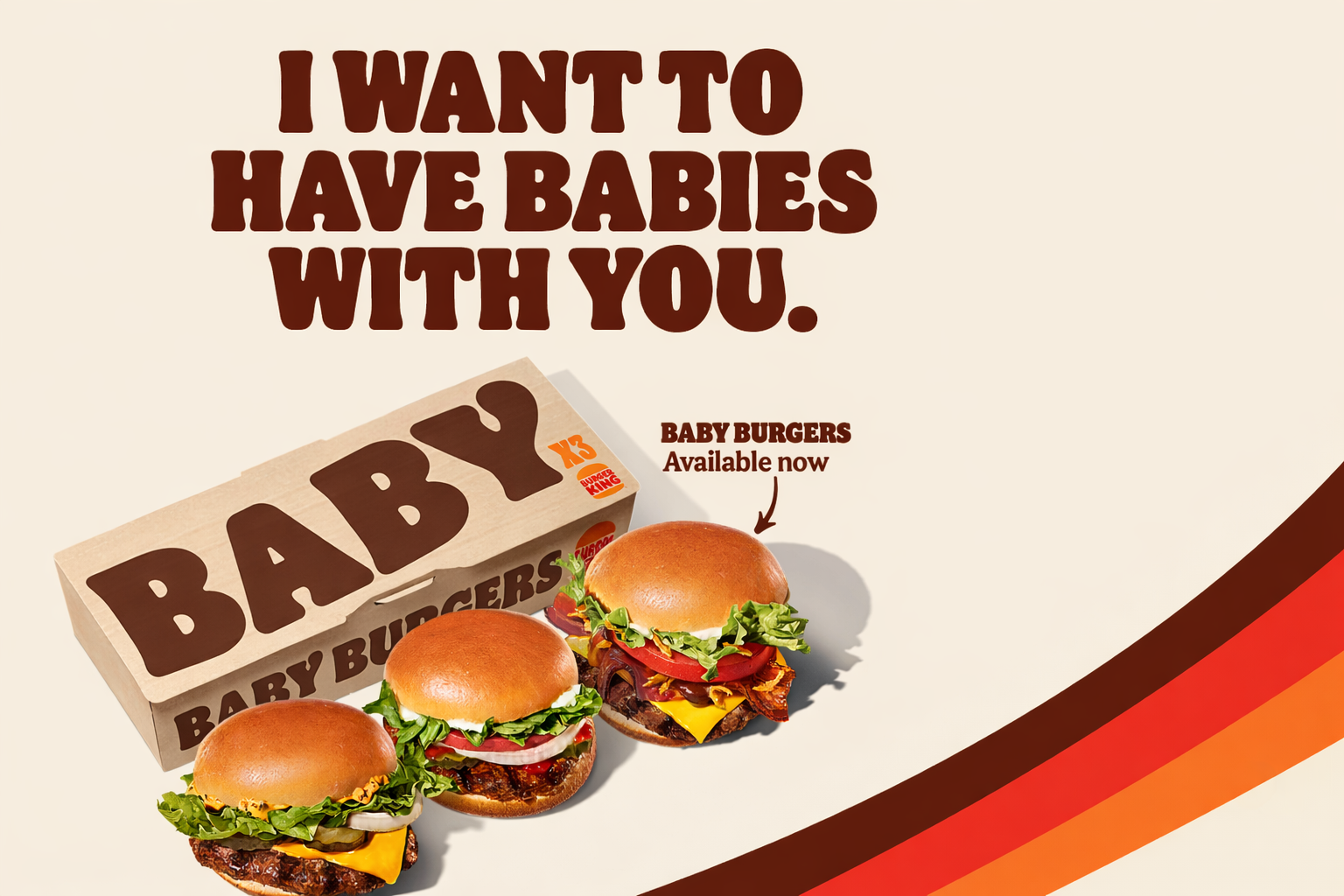
As consumer expectations continue to evolve, quick service restaurant brands must adapt quickly while staying true to their core identity. The launch of the Baby Burger by Burger King Belgium and Burger King Italy is a compelling example of QSR menu innovation done right.
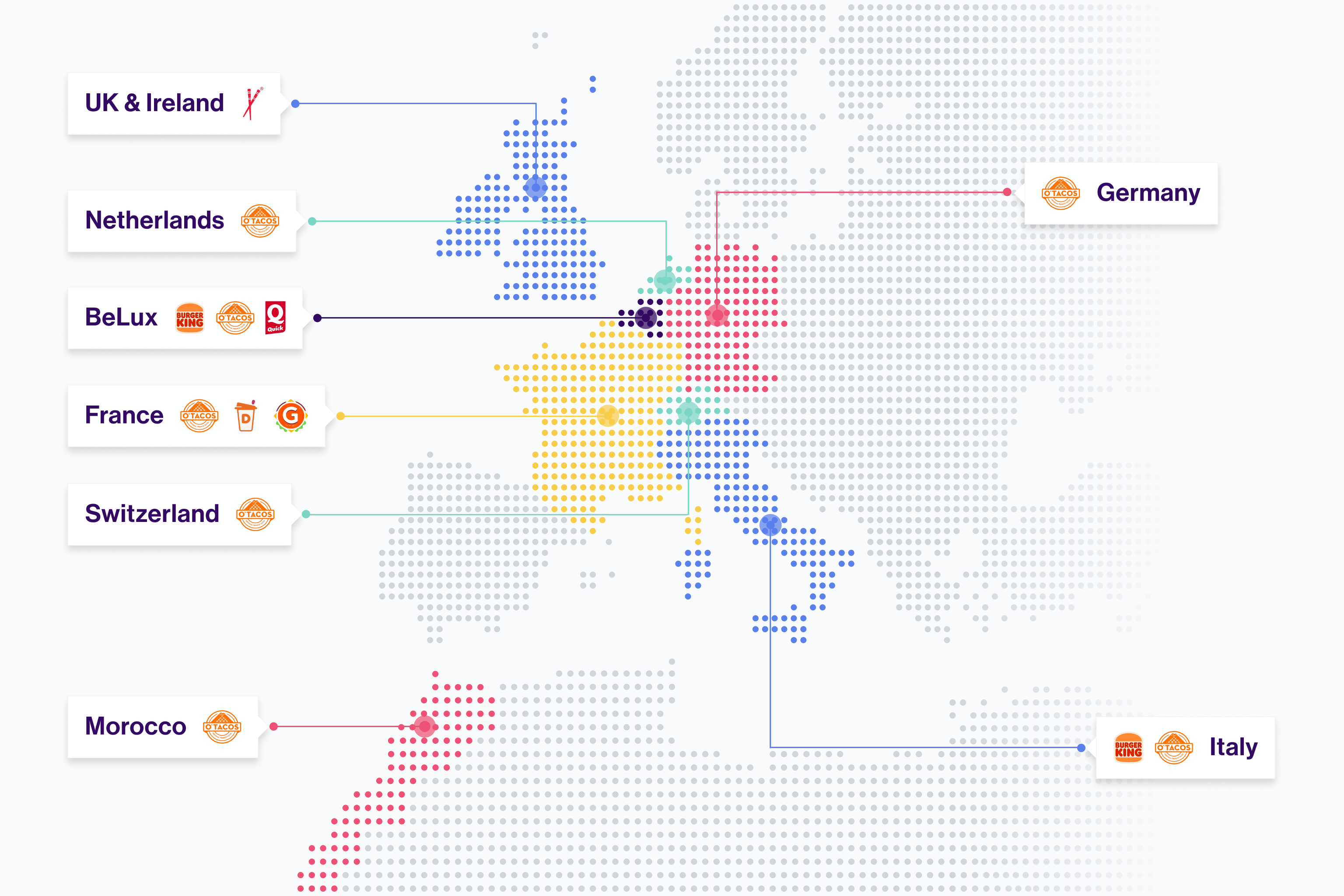
Across both markets, the product reflects a clear shift in how guests want to order: more flexibility, more variety, and more control over portion size. It demonstrates how QSRP's brand platform enables coordinated product innovation across multiple European markets.
Today's quick service restaurant consumers are not always looking for a traditional full-sized meal. Many are seeking lighter options, shareable formats, or the ability to mix and match different flavours within a single visit.
The Baby Burger answers that need by offering smaller versions of Burger King's iconic bestsellers. Rather than introducing something entirely new, both markets chose to innovate in a way that feels authentic to the brand. It is classic Burger King, simply reimagined in a more adaptable format — a textbook approach to effective QSR product innovation.
From a marketing and portfolio strategy perspective, the Baby Burger filled an important whitespace within the existing menu architecture.
It appeals to value-driven guests looking to maximise their order, as well as loyal returning consumers eager to try something new within a brand they already trust. By bridging familiarity and novelty, the format strengthens the overall QSR menu portfolio without disrupting it — adding incremental occasions and average ticket uplift.
The primary audience for the Baby Burger included Gen Z consumers and dedicated Burger King fans. This generation values experimentation, informality, and social dining moments — making them a key demographic for QSR brands focused on innovation and relevance.
The campaign leaned into everyday scenarios that feel instantly recognisable: couples ordering separately but wanting a taste of each other's meal, friends unable to decide and choosing to try everything, or guests who simply enjoy variety over commitment to a single option.
The key message captured this consumer behaviour in a simple, playful way: If you can't choose, just try them all.
In markets like Italy, where sharing food is deeply rooted in dining culture, the Baby Burger naturally complements group occasions. In Belgium, it taps into growing consumer demand for flexibility and value in quick service dining.
Across both countries, the product acknowledges that sharing is no longer limited to special occasions. It is part of everyday ordering behaviour. Consumers increasingly want the freedom to customise their meal experience — whether that means sampling multiple flavours or opting for smaller portions. This insight is central to effective QSR menu innovation.
For quick service restaurant brands, innovation must strengthen brand DNA rather than dilute it. The Baby Burger demonstrates how resizing iconic products can feel fresh and relevant while remaining unmistakably Burger King.
By responding to evolving consumer demand with agility and authenticity, Burger King Belgium and Italy show how thoughtful QSR product innovation can drive engagement, relevance, and long-term brand strength.
Sometimes, the most effective innovation in quick service restaurants is not about changing everything. It is about giving consumers more ways to enjoy what they already love.
The Baby Burger is just one example of how QSRP's brand platform enables coordinated innovation across markets. Explore how we drive QSR menu innovation, adapt to consumer trends, and build stronger brand portfolios across Europe.